

The Countdown: We Should Be Asking More Questions
Let's get into it.

Did you all read my interview with Imani Barbarin?
You’ve been quiet lately.
I’ve been thinking about her ever since we met (check out another clip from our interview below).
I’ve enjoyed interviewing everyone who has said yes to this series, but Imani had such a palpable spark. You know those people who seem to be thinking through your questions in real time. Not offering something rehearsed, not repeating a line they’ve said before, but actually working through what they believe as they speak. That’s what it felt like talking to her. You could see the thinking happening.
Moments like that remind me how rare intellectual curiosity has started to feel.
We are living in strange intellectual times. There is more information available to us than at any point in human history, yet it increasingly feels like we are being told what to think. That influence doesn’t just come from the media. It’s embedded in the tools we use every day. Algorithms decide what we see. Platforms group us into tidy categories. Audiences are segmented, targeted, and flattened into predictable profiles.
Over time, we begin to see ourselves through those same simplified lenses. We become part of a demographic, a voter block, a consumer segment, a generation. Entire groups of people are treated as if they think exactly the same way.
Human beings are not monoliths, but the systems around us often behave as if we are.
It becomes easy to slip into intellectual autopilot in that kind of environment. We absorb what is in front of us instead of interrogating it. We repeat what we hear instead of asking whether it is true. The pressure to conform to a narrative, a tribe, or a label can quietly replace the habit of thinking.
I’ve written before about plasticity, our ability to grow and change. That capacity is one of my favorite parts of being human. We are not fixed. Our thinking can evolve as we encounter new ideas, new people, and new experiences. But growth requires curiosity. Without it, we simply reinforce what we already believe.
Anyone who knows me knows I love kids. Not just my kids. All of ‘em. For years, I’ve worked with students, and last year, that work became an official partnership with our local school system. Twice a week, I sit with middle and high school students and help them develop their storytelling.
Storytelling, at its core, is about understanding what you believe and why it matters. It requires reflection. It requires listening. And it requires curiosity.
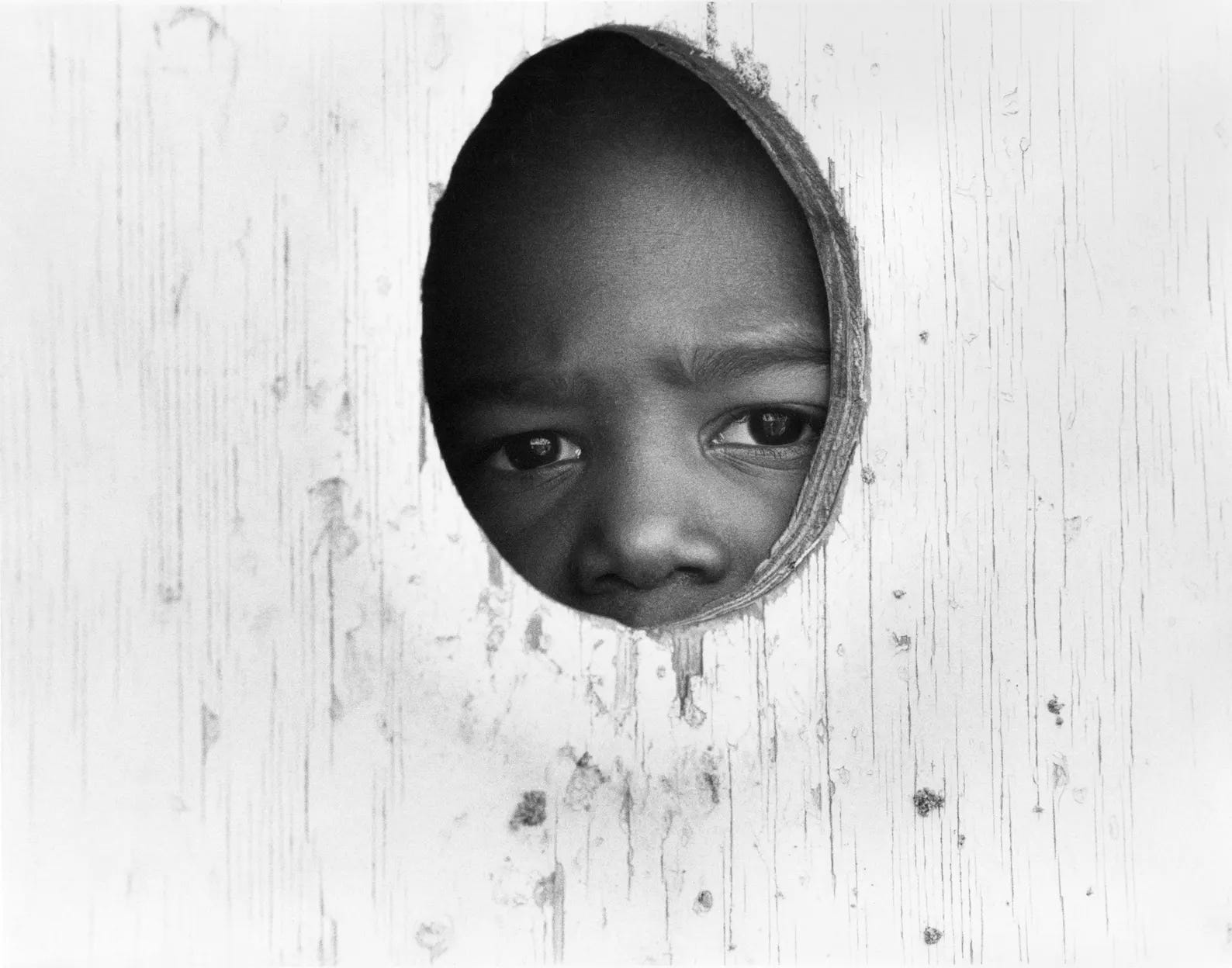
The thing I love most about working with students is how naturally curious they are. They ask questions easily. They want to understand the world and their place in it. They test ideas. They challenge assumptions. They are still comfortable learning in public.
Somewhere along the way, many adults lose that instinct.
Some of the places where I have felt least at home are environments that feel intellectually stagnant. Places where it seems like there are no questions left to ask. Spaces where everything appears to have already been figured out, and curiosity is treated as disruption rather than discovery.
Curiosity is how we resist intellectual stagnation. It is how we challenge the easy narratives handed to us. It is how we avoid becoming replicas of whatever environment we happen to occupy. Curiosity insists that we think for ourselves.
So this week, I keep returning to a simple idea: curiosity is a discipline. It is something we practice.
Ask more questions of the people and environments around you.
Ask more questions of the stories you are being told.
Ask more questions of yourself.
And sometimes the most revealing question might simply be this: why don’t I feel comfortable asking questions in this space?
Curiosity reveals a lot about a place. It often reveals just as much about who we are becoming inside of it.
Here are 4 thoughts, 3 questions, and 2 affirmations to take into the week:
